|
About Kuşadası
Kusadasi,
or Birds’ Island, is known as a “fisher-
men’s village. Originally it is a quiet
garden where farmers harvested thyme, sage,
wild roses, figs, grapes and olives. It is -
and we hope it will stay long - an animated
village.
Kusadasi has an unimpressive beach, however,
the waterfront promenade makes for a great
sunset stroll. Ladies Beach, a topless
beach, is located 3.5kms south of town.
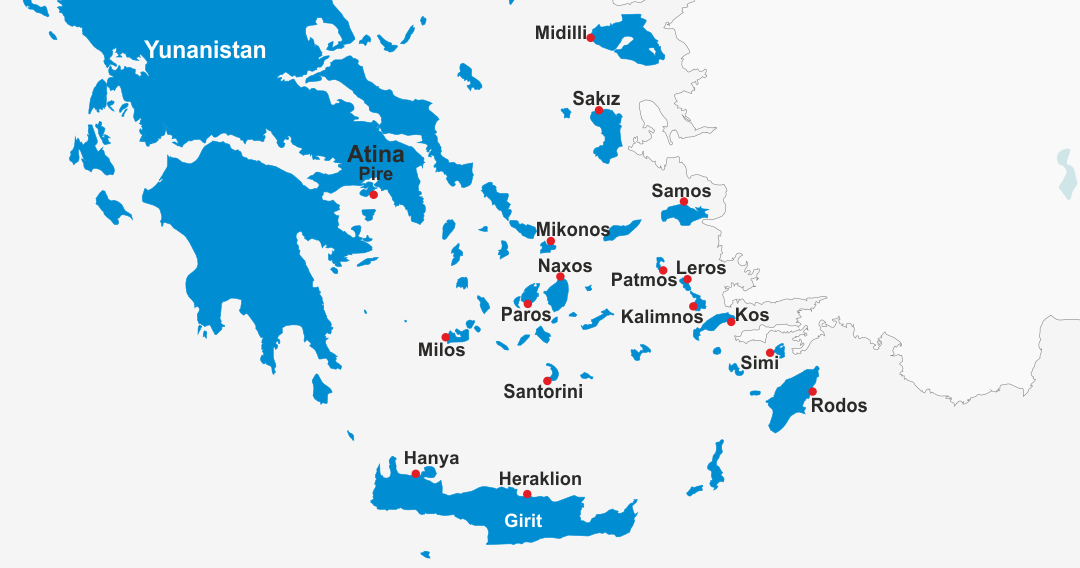
Acting as a buffer between the Greek island
of Samos and the Turkish mainland, Dilek
National Park offers some isolated beaches
with pine trees. Perhaps the main attraction
of a trip to Kusadasi is a journey to the
nearby ruins of Ephesus. Other significant
ancient sites in the area include: Miletus,
Priene, and Didyma.
Kusadasi was ruled by the Ottoman Empire
after the invasion of Sultan Mehmet Celebi
in the year 1413. During the reign of
Ottomans, glorious new structures were built
in Kusadasi Okuz Mehmet Pasa Caravanserai is
the principal legacy of the Ottoman
architecture in the city, and was built by
the man of the same name, who was the vizier
during the reigns of Sultan Ahmet1 and
Osman2. The fortress is gates and walls and
many mosques in the centre of Kusadasi, as
well as the citadel of the castle in Pigeon
Island, were built in the Ottoman period,
reflecting the architectural style of the
era. "Kusadasi " that means "bird island"
and took its name from Pigeon Island.
Kusadasi
is the heart of the Turkish Aegean seaside.
It is one of the most beautiful places for
recreation and fun holidays. Thanks to the
marina and great harbor, Kusadasi is a
favorite calling place for yachts and tour
vessels with the result that there are many
good shopping opportunities to be found.
Also is a a very good start point for trips
at Ephesus, Pamukkale, Miletos, etc.
Turkey’s national language is Turkish. In
Turkey, especially in Kusadasi, most people
can speak English and also some can speak
some other foreign languages such as German,
French, Italian and other languages. The
national currency is the Turkish Lira (TL).
But currencies like USD, GBP, or DEM are
universally accepted at various places at
current exchange rates.
Foreign currencies and travellers cheques
can be changed all over Kusadasi in banks,
hotels and money exchange offices. Banks are
open nationwide Monday through Friday except
public holidays between 8:30 am and 17:00
pm. Some banks and money exchange offices
remain open until midnight, especially in
summer.. Major international credit cards,
such as Visa, MasterCard, Maestro, American
Express and Dinners Club are accepted by all
major banks, restaurants, hotels and shops.
In Kusadasi, your have the perfect mix of
Eastern mysticism and modern western
technology that is one of the reasons why
Kusadasi is a shopper’s paradise and why
shopping remains a top tourist attraction.
Kusadasi is one of those remarkable places
where shopping is a not just a journey
around shops. Its more like a journey for
your personal gain.
You will enjoy the fun of bargaining while a
smiling salesman speaks many languages
negotiating for their goods while you still
feel at home. Shopping is high on most
Kusadasi itineraries and deservedly so as it
creates competitive prices. All this helps
to make your spending spree a memorable
experience.
One of the delights of shopping in Kusadasi
is that most shops are open seven days a
week
There
are no set hours of business but generally
shops in Kusadasi remain open from 09:00 am
to 12:00 AM in summer. Every Tuesday and
Friday there is a large open market that
sells locally grown fruit, vegetables,
household items, Turkish embroideries and
textiles.
After the First World War, Kusadasi was
invaded by the Greeks (1919). The city won a
long struggle and in 1922 and became a part
of Turkish Republic. Izmir was the capital
of Kusadasi until 1954. Then the capital was
changed to Aydin and the city of Kusadasi
has shown a good deal of development,
especially in tourism.
Today, Kusadasi is one of Turkey's most
sophisticated holiday centres; it is a
perfect place for vacation with its sandy
beaches and glassy water. The contrast
between the lively holiday life and the
quietness of the ancient ruins create the
special atmosphere of the city. |